
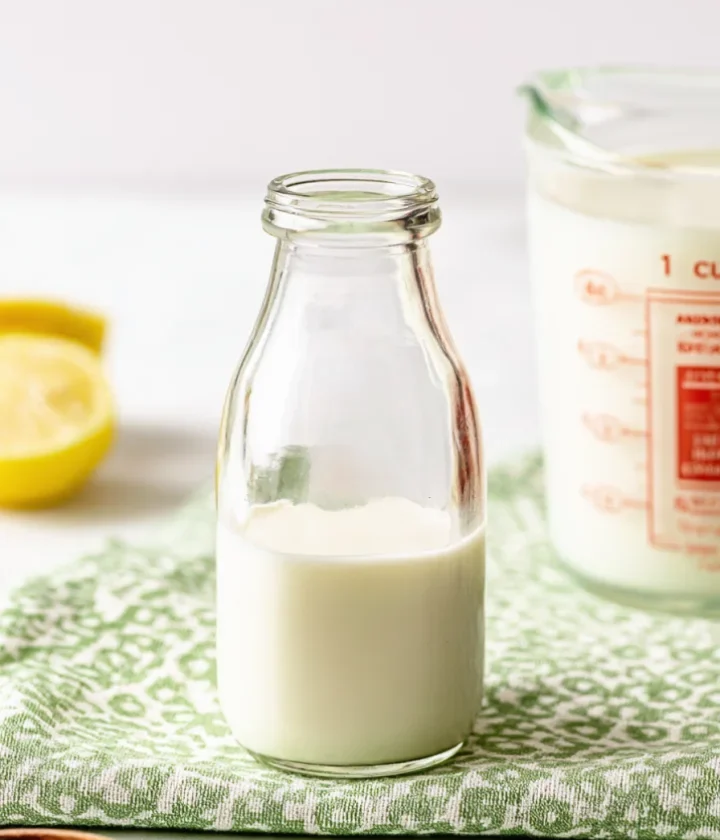
When it comes to baking and cooking, buttermilk is a beloved ingredient known for its tangy flavor and ability to create tender, moist dishes. This unique ingredient not only adds a delightful acidity to recipes, which helps to enhance the overall flavor, but it also reacts with baking soda to create a perfect rise in baked goods. However, there are times when you may find yourself without buttermilk on hand. This article will explore various buttermilk substitutes that can be easily made at home or found in your pantry. Whether you’re vegan, dairy-free, or simply out of buttermilk, these alternatives will help you achieve that signature creamy texture and distinct taste in your favorite recipes. With the right substitutes, you’ll never have to worry about missing out on the deliciousness that buttermilk brings to the table. From adapting with pantry staples to exploring new flavors, each option offers a way to maintain quality in your cooking.
Ingredients
- Dairy-Based Alternatives:
- 1 cup whole milk + 1 tablespoon lemon juice or white vinegar (let sit for 5-10 minutes to thicken and sour, creating a similar acidity to buttermilk; this is a quick fix with ingredients you likely have in your kitchen)
- 1 cup plain yogurt (unflavored, which provides a rich texture and tangy flavor; opt for Greek yogurt for a thicker consistency that closely mimics the mouthfeel of buttermilk)
- 1 cup sour cream (adjust with water for consistency, as sour cream is thicker and can be used straight or diluted; this option maintains a creamy texture, making it versatile for various recipes)
- Dairy-Free and Vegan Options:
- 1 cup almond milk + 1 tablespoon lemon juice or apple cider vinegar (let sit for 5-10 minutes; almond milk gives a subtle nutty flavor that complements many recipes)
- 1 cup coconut milk + 1 tablespoon lemon juice or vinegar (coconut milk adds a slight sweetness, making it perfect for desserts where a richer taste is desired)
- 1 cup cashew milk + 1 tablespoon lemon juice or vinegar (provides a creamy texture, great for various recipes and particularly well-suited for creamy dressings or baked goods)
Steps / Instructions
- Choose your preferred alternative based on dietary requirements or what you have available in your kitchen. Consider the flavor and texture you want to achieve in your dish, as different substitutes can alter the final outcome.
- For dairy-based substitutes like milk, lemon juice, or vinegar, combine the two ingredients in a measuring cup and stir gently. This mixture will start to mimic the thickness and acidity of buttermilk, which is crucial for recipes that depend on its properties.
- Let the mixture sit for about 5-10 minutes. This allows it to curdle slightly, giving it that signature buttermilk tang and texture that is essential for recipes that rely on buttermilk, such as pancakes and cakes.
- If using yogurt or sour cream, you can use them directly or thin them with a little water or milk to achieve the desired consistency. Aim for a pourable texture similar to that of traditional buttermilk, which ensures even mixing in batters.
- For dairy-free options, follow the same instructions as the dairy-based alternatives, ensuring you mix well and allow time to sour. This step is crucial for achieving the right taste and consistency in your vegan dishes, so don’t skip it!
Tips & Tricks
- For the best results, choose full-fat dairy or creamy non-dairy milk for a richer flavor that closely resembles buttermilk. The creaminess can enhance the moisture level in your baked goods, ensuring they turn out soft and tender.
- If you plan to bake with your buttermilk substitute, ensure your dry ingredients are well mixed before adding the liquid to avoid lumps. This will result in a smoother batter that bakes evenly, crucial for achieving a perfect rise.
- Buttermilk substitutes can be stored in the fridge for up to a week if made in advance, but it’s best to use them immediately for optimal flavor, as the tanginess can diminish over time and impact your recipes.
- Always taste your mixture before adding it to recipes, as some alternatives may have a stronger flavor than traditional buttermilk, which could affect the final outcome of your dish. Adjust the acidity as needed for optimal balance.
Variations
Experimenting with different substitutes can yield interesting results. Try using flavored yogurt for a unique twist or adding spices like cinnamon or nutmeg to your dairy-free options for extra dimension. Additionally, for a gluten-free buttermilk substitute, almond milk or coconut milk is an excellent choice, while still providing that necessary tangy flavor profile that enhances your dishes. Don’t hesitate to explore these options to discover which best suits your culinary creations! You can learn more about this topic.
Serving Suggestions
These buttermilk substitutes can enhance a variety of dishes. Use them for baking fluffy pancakes, creating creamy dressings, or marinating chicken for fried recipes. Consider using a buttermilk substitute in recipes like Stuffed Salmon with Garlic Butter Shrimp Filling or Grinder Salad Recipe for added depth of flavor. Check out our related guide for more tips on how to utilize these alternatives effectively in your cooking and baking, ensuring you make the most of your culinary adventures.
FAQ
Many people may wonder if certain substitutes can mimic buttermilk in baking as effectively as the original ingredient. The answer is yes! Most alternatives will provide similar results, ensuring moist and flavorful dishes. However, always adjust the amount slightly, as not all substitutes will have the same consistency or acidity as traditional buttermilk. For instance, if you find that a specific substitute is too thin, consider adding a touch more acid to achieve that classic buttermilk effect that enhances your baked goods.
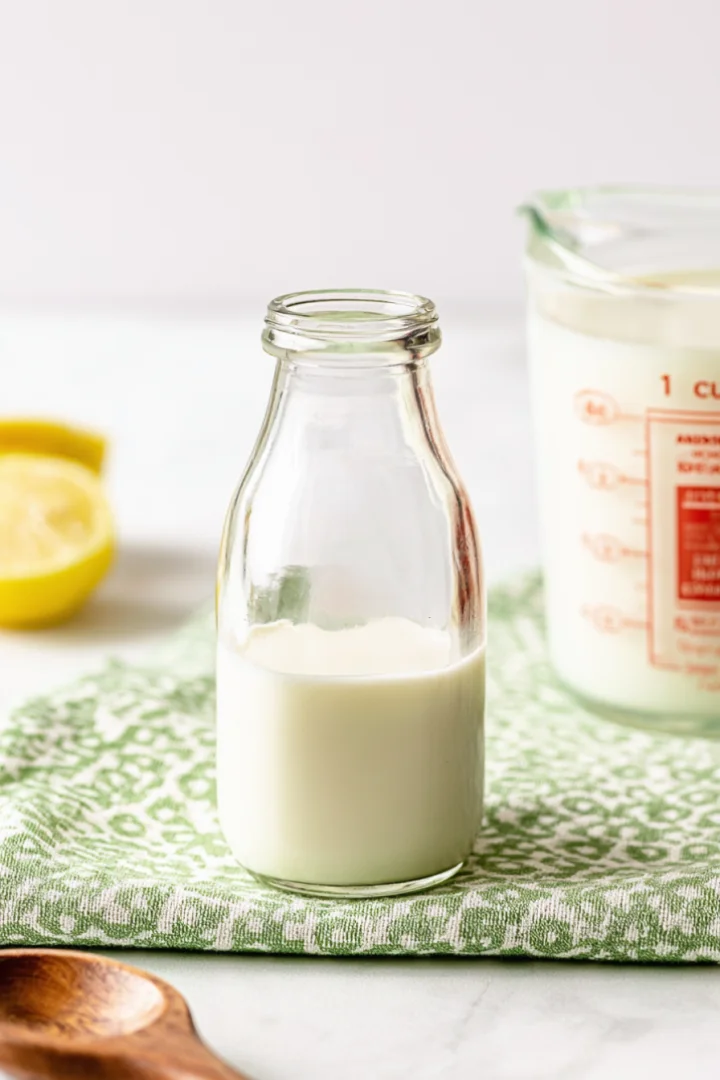
Buttermilk Substitute
A guide to various buttermilk substitutes that can be easily made at home or found in your pantry.
Ingredients
- 1 cup whole milk + 1 tablespoon lemon juice or white vinegar
- 1 cup plain yogurt (unflavored)
- 1 cup sour cream
- 1 cup almond milk + 1 tablespoon lemon juice or apple cider vinegar
- 1 cup coconut milk + 1 tablespoon lemon juice or vinegar
- 1 cup cashew milk + 1 tablespoon lemon juice or vinegar
Directions
Choose your preferred alternative based on dietary requirements or what you have available in your kitchen.
For dairy-based substitutes like milk, lemon juice, or vinegar, combine the two ingredients in a measuring cup and stir gently.
Let the mixture sit for about 5-10 minutes.
If using yogurt or sour cream, you can use them directly or thin them with a little water or milk.
For dairy-free options, follow the same instructions as the dairy-based alternatives.
Recipe Reviews
- ★★★★★
Excellent recipe!
Leave a Reply
Your email address will not be published. Required fields are marked *



Excellent recipe!